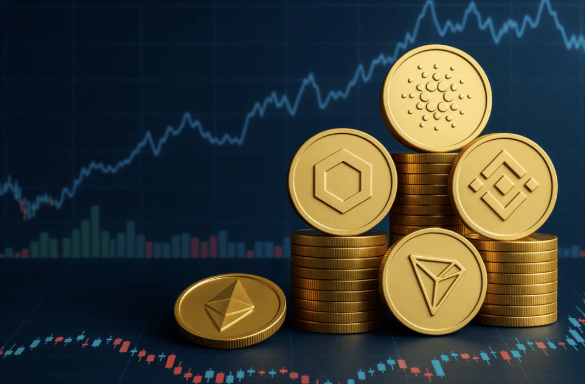
Utility tokens grant access or functionality within a platform, rather than serving primarily as investments. Their value rests on real-world use, not hype, and depends on practical permissions, governance, or features. The merit lies in adoption, liquidity, and transparent rules. Investors should scrutinize tokenomics and compliance. The landscape is nuanced, balancing potential benefits with regulatory risk, and the responsible path is to weigh use cases against governance and costs before committing.
What Exactly Is a Utility Token in Crypto?
A utility token is a type of cryptocurrency designed to provide access to a product or service within a specific ecosystem, rather than to serve as a store of value or investment instrument.
What exactly defines its function is its utilitarian role, measured by access, permissions, or features.
This clarity supports informed choices about what exactly constitutes a utility token in practice.
Real-World Uses: How Utility Tokens Power Platforms
Real-world uses of utility tokens center on enabling access, governance, and incentive mechanisms within platforms. These tokens support selective participation, quorum-driven decisions, and reward structures that align stakeholder behavior with platform health. They enable transparent platform governance, while funding ongoing development through flexible token economies. Caution remains: value depends on utility, adoption, and credible governance, not mere speculative hype. real world uses, platform governance.
How to Evaluate Utility Tokens Before You Buy: A Practical Checklist
Evaluating utility tokens before purchase requires a disciplined, checklist-driven approach rather than speculative optimism. A practical evaluation examines token economics, examining supply dynamics, distribution, and inflation controls, plus utility clarity. Governance models should be scrutinized for transparency and stakeholder rights. Assess liquidity, unlock schedules, and alignment with platform value. Finally, consider risk tolerance, exit strategies, and independence from centralized control.
See also: The Benefits of AI-Driven Customer Support Systems
Regulatory Risks and Compliance Considerations for Utility Tokens
Regulatory risks and compliance considerations create an additional layer of scrutiny for utility tokens after the practical evaluation of their economics and governance. Authorities may assess whether tokens function as securities or commodities, trigger anti-fraud provisions, and impose registration or reporting duties.
Firms should implement transparent disclosures, rigorous KYC/AML measures, and ongoing monitoring to mitigate regulatory exposure while preserving user freedom.
Conclusion
Utility tokens derive value from tangible platform use, not mere speculation. They enable access, permissions, and governance, aligning incentives with real-world adoption. Yet investors should remain cautious: utility does not guarantee profit, and regulatory shifts can alter token status or liquidity. Anticipating skepticism that “any utility equals instant value,” the conclusion reframes it: sustainable worth comes from concrete use cases, transparent governance, and disciplined risk management, not hype or promises.
